AI Influencers: Do Creators Need to Be Worried?
The recent surge in AI technology has opened up a world of possibilities for creators, and the influencer space is no exception. From enhancing visuals to avoid copyright issues, to automating content like narration or scripting, AI is becoming a valuable tool for creators looking to work smarter. One of the most talked-about developments, though, is the rise of AI influencers.
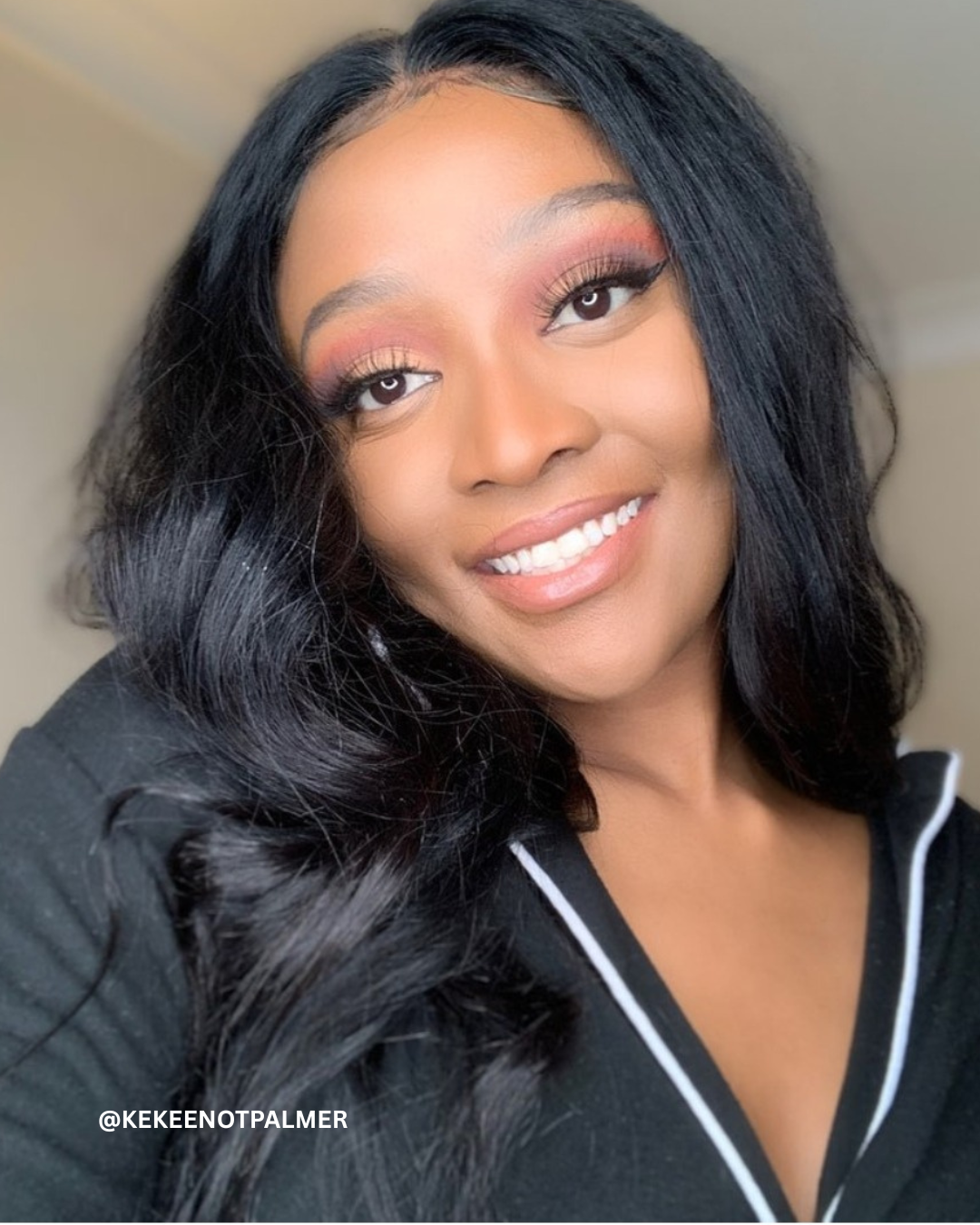
On the left: Instagram: @KEKEENOTPALMER, an up-and-coming Entertainment and Lifestyle influencer.
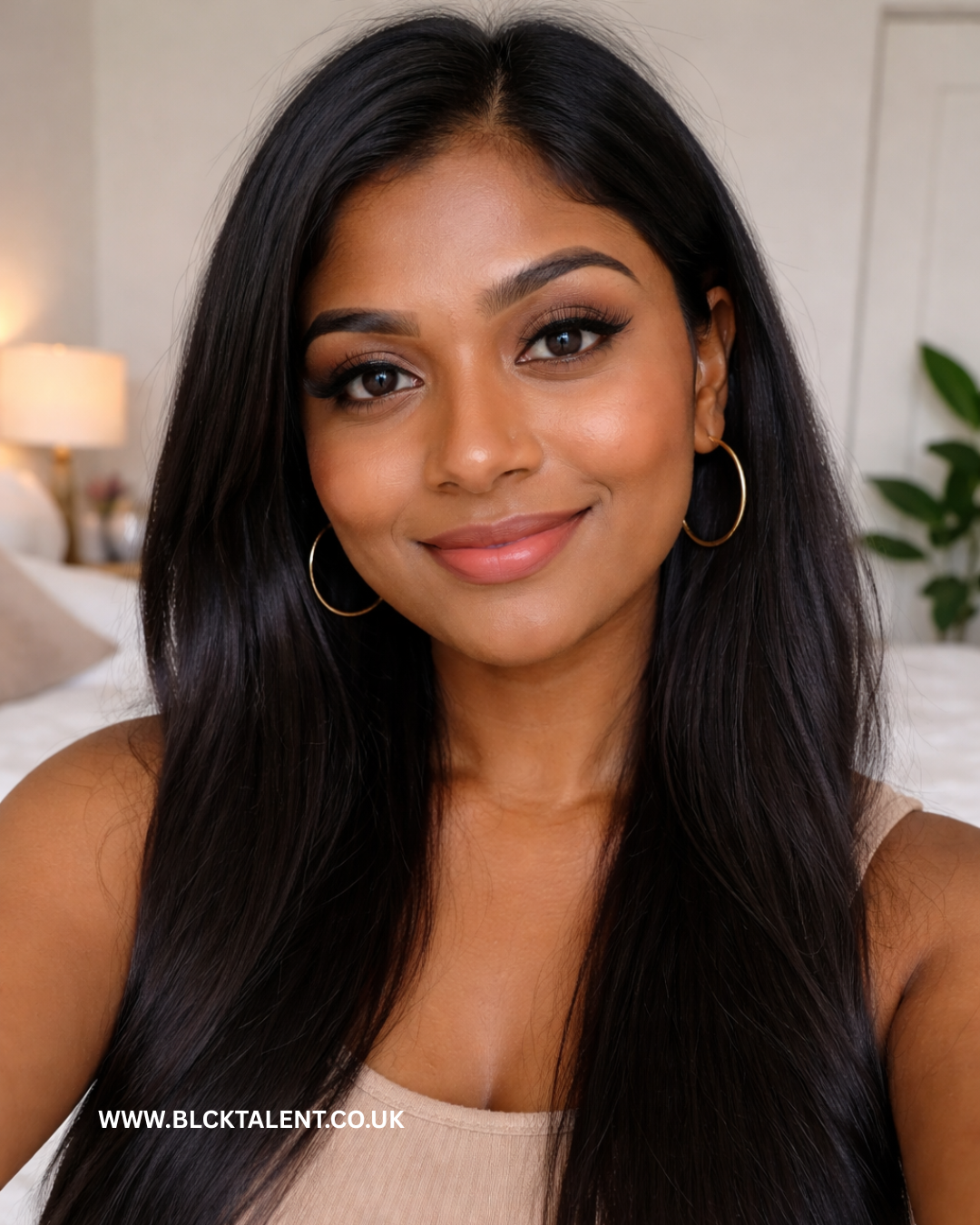
On the right: an AI-generated model inspired by a typical influencer aesthetic.
1. WHAT ARE AI INFLUENCERS?
AI influencers are fully digital personas created through computer-generated imagery, 3D modeling, and artificial intelligence. Unlike traditional influencers, they don’t exist in the physical world, they live exclusively online. Their “lives” are curated by teams of designers, animators, and social media managers who craft everything from their appearance and style to their personality, opinions, and interactions.
Designed to capture attention, whether through a flawless aesthetic, a quirky personality, or a carefully engineered lifestyle, AI influencers are optimized to appeal to audiences and perform well on social media algorithms. Every post, story, or video can be perfectly timed, styled, and edited, something human creators can’t always achieve because of natural limitations like sleep, mood, or physical constraints. This allows AI influencers to be endlessly creative and highly consistent.
2. AI INFLUENCERS TAKE OVER
It seems like every week a new AI sensation goes viral, often leaving audiences questioning if what they’re seeing is real. Some AI influencers collaborate with real brands, appear in digital ads, and attend virtual events, further solidifying their presence in the $24 billion to $250 billion influencer economy, according to Forbes.
Naturally, human creators may feel a little threatened. After all, AI can produce content quickly and attract attention at scale. This speed and scalability are especially attractive to brands, who can avoid high collaboration fees and receive near-instant content without the logistical or financial demands of working with human influencers.
With AI technology now widely accessible, companies no longer need to rely on existing influencers, they can create their own artificial brand ambassadors from scratch. Free or low-cost tools, like ChatGPT, make it easier than ever to generate not only the influencer’s persona and content but even entire backstories, visual assets, and social media posts.
This means brands can fully script every aspect of an ambassador’s identity and output, producing a polished, human-like presence that exists entirely under corporate control. The result is a marketing tool that looks like a real creator but is entirely manufactured for maximum brand advantage.
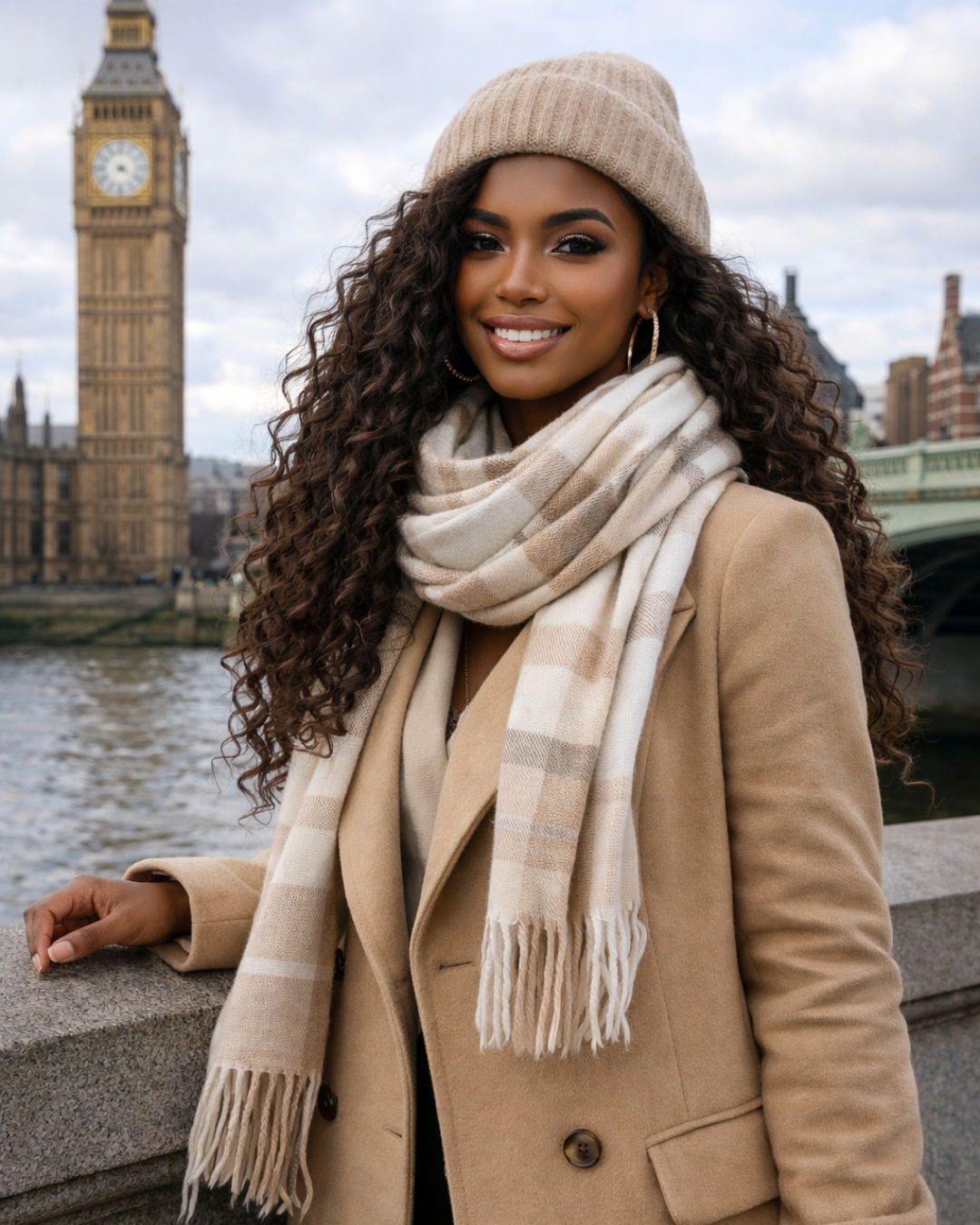

Both images in this set were generated using ChatGPT’s AI tools.
3. DIGITIZED ENDORSEMENTS
Where AI is involved in brand collaborations, the line between simple brand visibility and false advertising becomes increasingly blurred. Using AI influencers to promote products can be particularly risky for items like makeup, skincare, or other consumer goods where users want to see real-life results. Yes, there is always a real person behind the account, but how much of their actual experience is truly being showcased?
When an AI model demonstrates a product, we are no longer seeing the product itself, only a digitised, idealised version generated by algorithms. Sending PR packages or treating AI influencers like traditional creators further complicates matters, moving into a grey area of marketing: the product is promoted as if it has been experienced and endorsed, yet no real-world testing underlies the claim. In this sense, AI-driven campaigns risk misleading audiences while giving the appearance of authenticity that cannot exist.
4. REAL STORIES, REAL CONNECTIONS
Influence goes beyond visibility, it’s about authentic opinions, lived experiences, and meaningful connections. Audiences often follow creators in niche communities because they see themselves reflected in their stories, backgrounds, or perspectives. The strongest influencers build trust and community, creating relationships that go far beyond the content they share.
AI influencers, no matter how polished, cannot attend real-life events, participate in brand trips, or provide personal insight. Their engagement is entirely scripted, lacking the depth and relatability that human creators bring. AI influencers are new and attention-grabbing, and their novelty has made them a prominent trend in social media, though how their presence will evolve over time remains to be seen.
Partnering with influencers from diverse backgrounds remains one of the most effective approaches to influencer marketing. Their impact comes from genuine experiences and shared stories, fostering real connections with audiences. At BLCK TALENT, we specialise in helping brands collaborate with creators whose voices and perspectives resonate, ensuring campaigns are both authentic and meaningful.